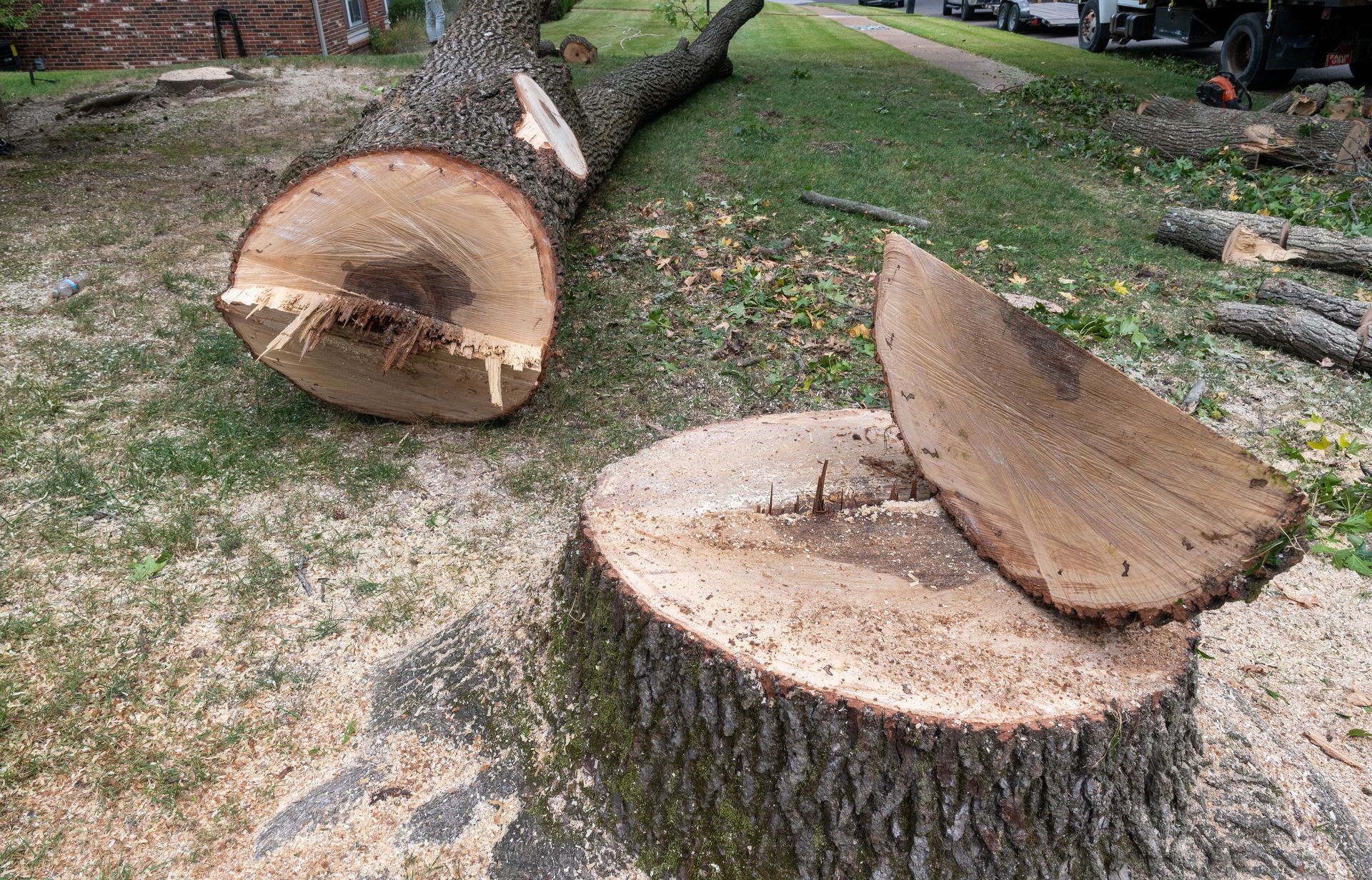
When to Call for Professional Tree Removal Services
Trees are one of the best features a home can have. They provide shade, improve curb appeal, and support local wildlife. But there are times when a tree stops being an asset and starts becoming a hazard. Knowing when to call a professional tree removal service in Toledo, OH, can save you from costly property damage, injuries, or worse. At Amber Tree Service, we work with homeowners across the Toledo area every day. We see firsthand how waiting too long, or trying to handle the job alone, can turn a manageable situation into a serious problem. This guide will help you spot the warning signs that it is time to call in the pros.
Signs You Need a Tree Removal Service
Not every struggling tree needs to come down. But some situations leave little room for waiting. Here are the key red flags to watch for.
The Tree Is Dead or Dying
A dead tree does not just look bad. It is a safety risk. As wood decays, it becomes brittle and unpredictable. Branches can fall without warning, and the whole tree can topple during a storm or heavy wind.
Signs a tree may be dead or dying include:
· No leaves or budding during spring and summer.
· Peeling or crumbling bark along the trunk.
· Hollow or soft spots when you tap the wood.
· Mushrooms or fungal growth at the base.
· A large number of dead branches throughout the canopy.
If you notice several of these signs at once, do not wait. A dying tree near your home or power lines is a serious concern.
The Tree Has Significant Storm Damage
Toledo weather can be brutal. Storms bring high winds, ice, and heavy rain that can split trunks, snap major limbs, and uproot trees entirely. After any major storm, it is important to walk your property and look for the following:
· Large broken branches hanging in the canopy.
· Cracks or splits running down the trunk.
· Exposed roots or leaning that was not there before.
· Branches resting on your roof, fence, or power lines.
The Tree Is Too Close to Your Home or Other Structures
Trees that grow too close to buildings, driveways, fences, or utility lines can cause real damage over time. Root systems can crack foundations and underground pipes. Heavy branches over rooftops are a constant risk during storms.
As a general rule, if a tree's trunk is within 10 to 15 feet of your home and it is a large or fast-growing species, it is worth having a professional take a look. A reputable tree removal service will assess the risk honestly and let you know whether removal or routine trimming is the right call.
The Tree Is Diseased
Tree diseases can spread quietly and quickly. Left unchecked, a diseased tree can infect nearby healthy trees and eventually become structurally unsound.
Common signs of disease include:
· Discolored, spotted, or wilting leaves out of season.
· Cankers, which are sunken or discolored patches on the bark.
· Oozing sap or unusual wet spots on the trunk.
· Visible insect infestations like borers or bark beetles.
· Thinning or dying sections on only one side of the tree.
Some diseases can be treated if caught early. Others make full removal the safest and most responsible choice. A qualified tree service professional can diagnose the problem and help you decide.
The Tree Is Leaning
A slight lean is natural for many trees. But a sudden lean, or one that has grown noticeably worse over time, is a warning sign. It may indicate root failure, soil erosion, or internal decay. A tree that leans toward your house, a neighbor's property, or a public sidewalk is a liability.
Why You Should Never Attempt DIY Tree Removal
It might be tempting to rent a chainsaw and handle a problem tree yourself. But DIY tree removal is one of the most dangerous home projects a person can attempt.
Here is why it is best left to trained professionals:
· Unpredictable fall direction: Even experienced crews use advanced rigging techniques to control where a tree falls. Without the right knowledge and equipment, a tree can fall in an unexpected direction and land on your home, car, or a family member.
· Hidden hazards: Hollow trunks, internal decay, and nearby power lines are not always obvious from the ground. Professionals know how to identify and work around these dangers.
· Equipment risks: Chainsaws, wood chippers, and climbing gear all carry significant risks for people who are not trained in their use. Injuries from DIY tree work are common and can be severe.
· Liability: If you remove a tree improperly and it damages a neighbor's property, you may be held responsible. A licensed and insured tree removal service carries the coverage to protect both you and your property.
· Cleanup: Removing a large tree leaves behind an enormous amount of debris. Professional crews have the equipment to haul everything away and leave your yard clean.
The risks simply are not worth it. A professional team can complete the job safely, efficiently, and in a fraction of the time it would take to attempt it yourself.
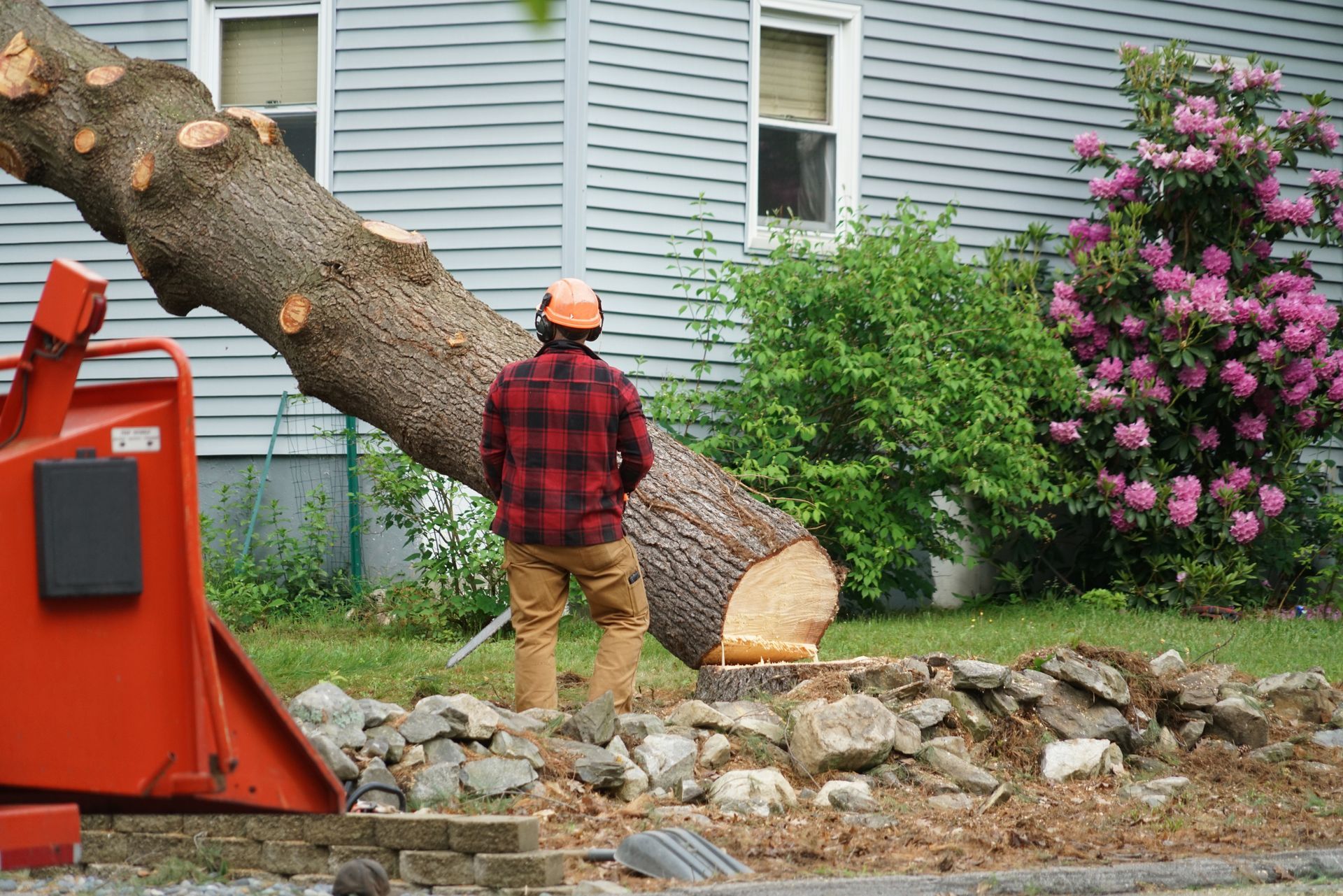
When in Doubt, Call a Professional
If you are not sure whether a tree on your property needs attention, the safest thing you can do is call someone who knows what to look for. Waiting too long is one of the most common mistakes homeowners make. By the time a tree causes visible damage, the situation has often already become an emergency. Routine inspections and early action are always less costly, less stressful, and safer than dealing with a crisis. If you see any of the warning signs covered in this guide, do not hesitate. Call Amber Tree Service and let our team assess the situation. We are here to help you protect your home, your family, and your property with honest advice and quality tree removal service you can count on.
Recent Posts